Interpack 2026
2026-05-07
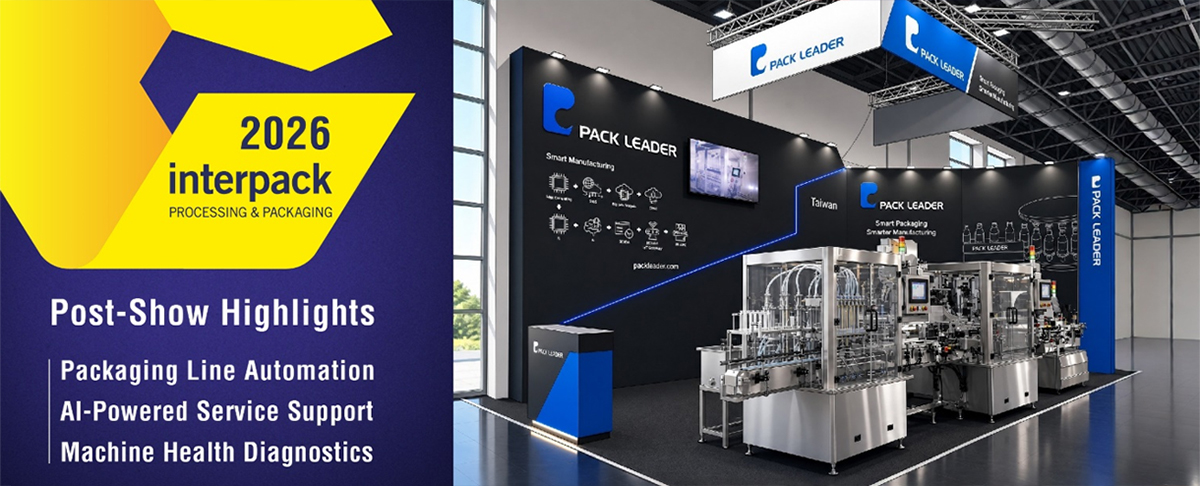
interpack 2026 Post-Show Highlights: Smarter Packaging Automation for More Reliable Production
From integrated packaging lines to AI-powered service support and machine health diagnostics, Pack Leader showcased smart packaging technologies designed to help global manufacturers improve production efficiency, reduce downtime risks, and strengthen after-sales support.
Post-Show Summary
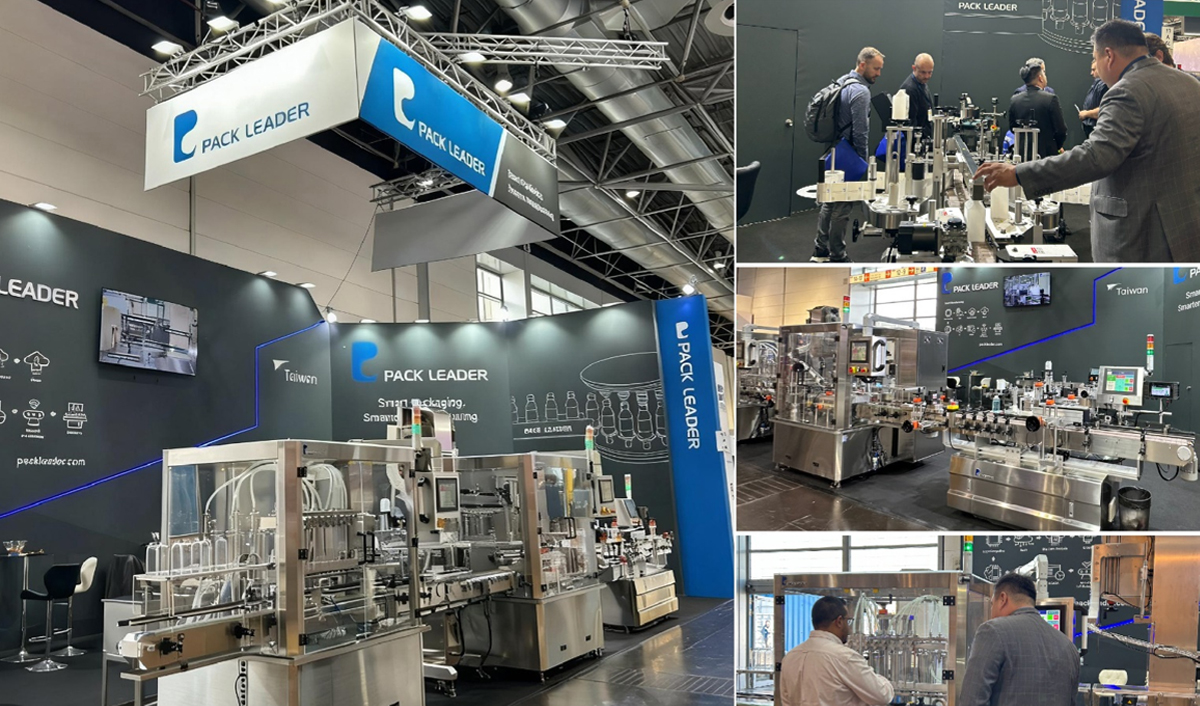
At interpack 2026 in Düsseldorf, Germany, Pack Leader presented smart packaging solutions combining automated line integration, AI-powered service support, and machine health diagnostics.
Through live equipment displays and discussions with international visitors, we introduced a complete packaging automation approach covering bottle rinsing, filling, capping, labeling, sleeve labeling, conveying, line integration, and data-driven maintenance. These solutions are designed to help manufacturers improve line efficiency, reduce unplanned downtime risks, and support more effective equipment service.
During the exhibition, our team connected with manufacturers, brand owners, distributors, and packaging machinery partners from global markets. Key discussions focused on labor shortages, production capacity, equipment maintenance, service response, line upgrades, and smart manufacturing applications.
Through interpack 2026, Pack Leader further demonstrated the technical capabilities of Taiwan’s packaging machinery industry while strengthening its visibility and partnership opportunities in the global packaging automation market.
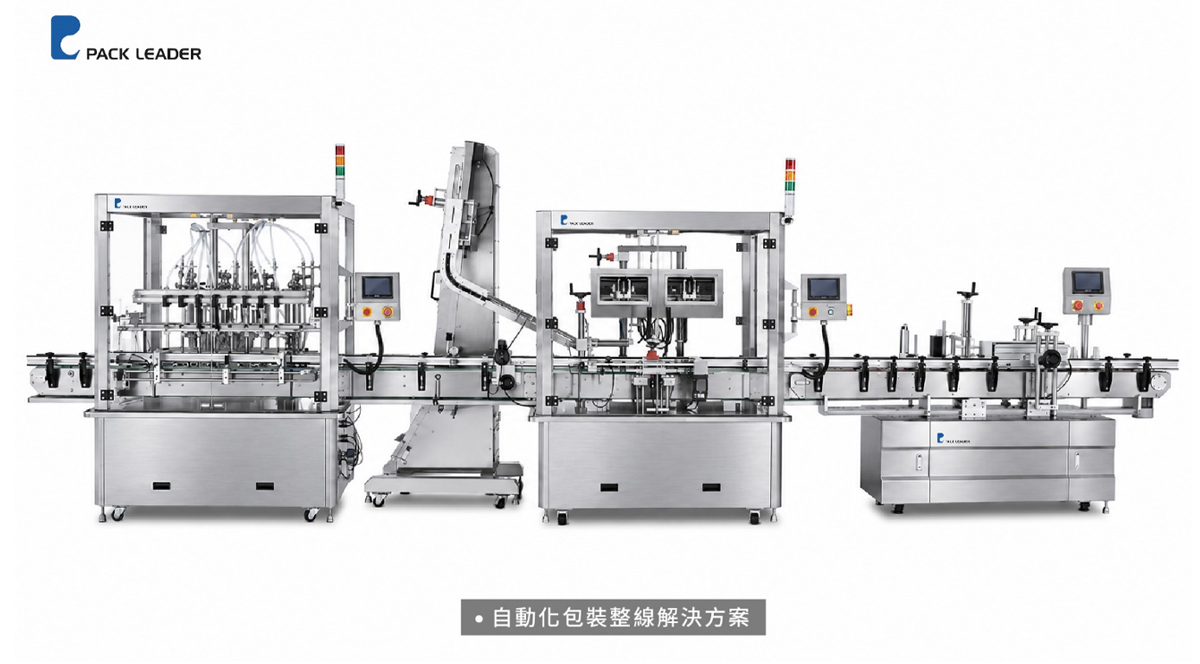
Highlight 1: Integrated Packaging Line Capabilities
As production demands grow and labor costs continue to rise, manufacturers need more than individual machines. They need packaging automation solutions that can be integrated into real production environments.
Our automated packaging equipment covers bottle rinsing, filling, capping, labeling, sleeve labeling, and conveying applications, helping customers build more stable, efficient, and scalable packaging workflows.
From food and beverage to nutraceuticals, pharmaceuticals, cosmetics, personal care, household products, and consumer goods, we provide line planning and integration recommendations based on product characteristics, container specifications, production capacity, and factory layout.
Highlight 2: AI-Powered Service Support
Beyond machinery, reliable after-sales service is becoming increasingly important for manufacturers operating across different regions and time zones.
At interpack 2026, we introduced AI-powered service support designed to integrate equipment data, maintenance information, and troubleshooting knowledge. This approach helps service teams identify possible issues faster, improve response efficiency, and reduce communication gaps during technical support.
For manufacturers, stable machine operation directly affects production efficiency, delivery schedules, and overall line availability. AI-powered service support helps reduce troubleshooting time and moves after-sales service from reactive response toward a faster, more data-driven support model.
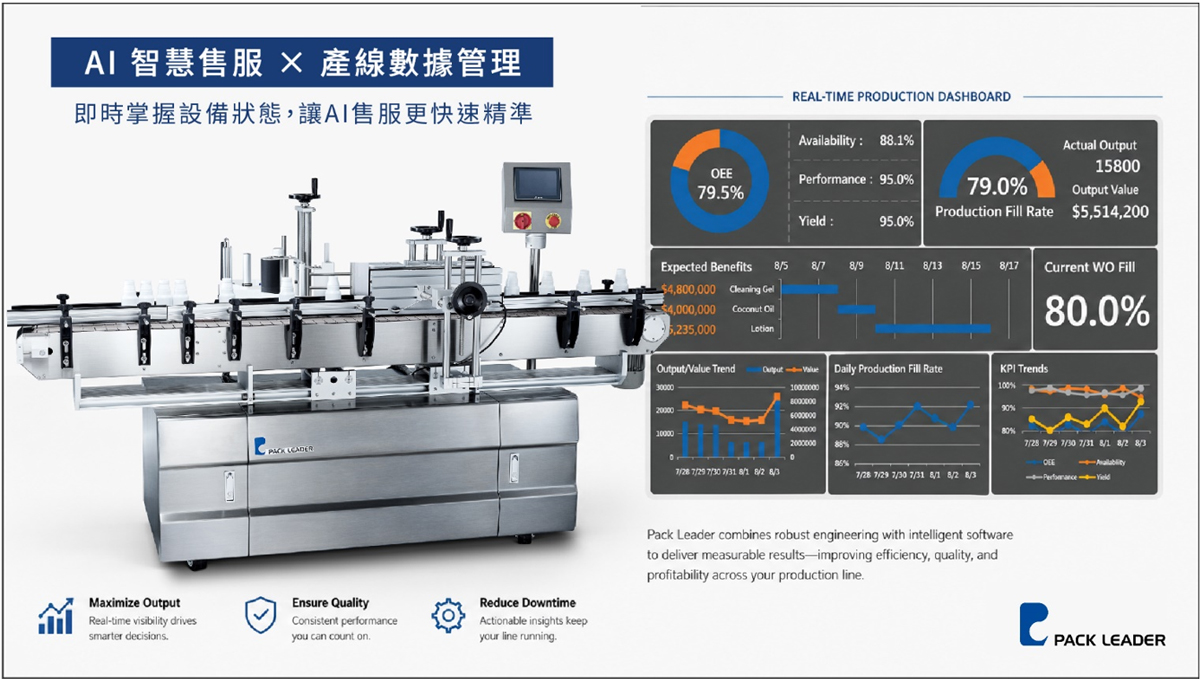
Highlight 3: Machine Health Diagnostics and Data-Driven Maintenance
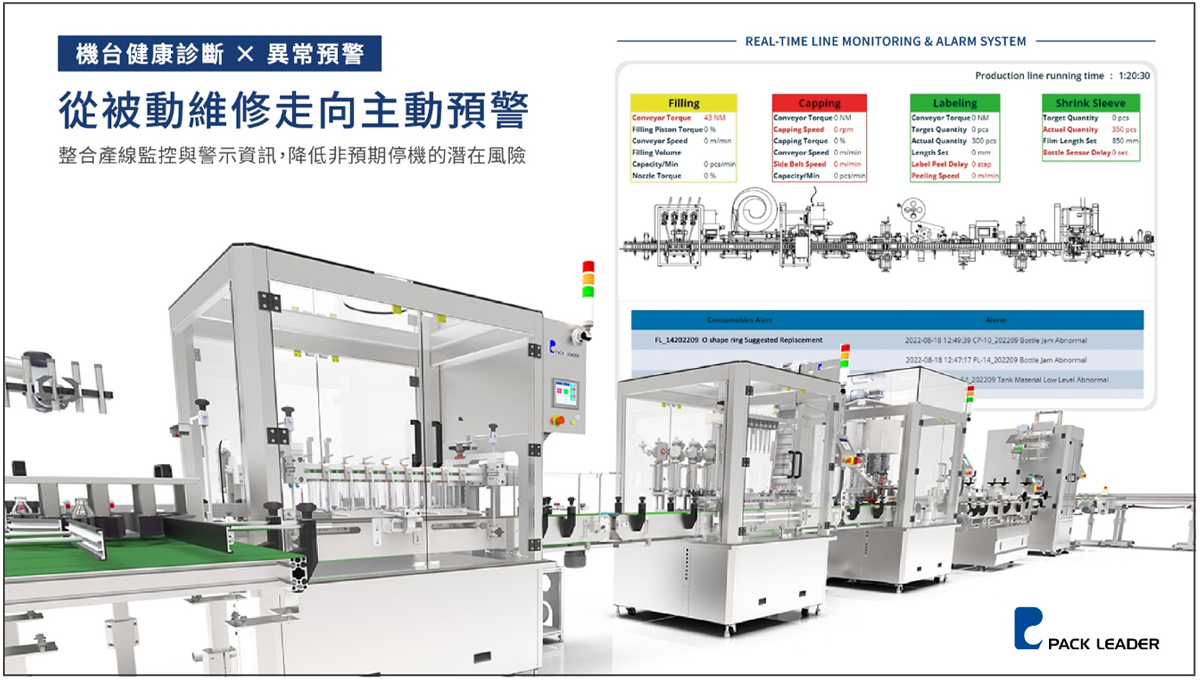
In the era of smart manufacturing, equipment maintenance is no longer only about repairing machines after problems occur. Manufacturers need earlier visibility into machine conditions to reduce the risk of unexpected downtime.
Machine health diagnostics focus on integrating operating status, abnormal signals, maintenance records, and key machine data. This helps customers better understand equipment conditions, improve maintenance decision-making, and support preventive maintenance planning.
Through data-driven maintenance, manufacturers can move from reactive maintenance toward proactive monitoring, supporting more stable and reliable packaging line operation.
Highlight 4: Multi-Industry Applications and Customization Capabilities
Packaging requirements vary by product, container type, line speed, and production environment. Different industries may require different levels of filling accuracy, container handling, labeling precision, cleaning, and maintenance.
Our packaging automation solutions can be applied across food and beverage, nutraceutical, pharmaceutical, cosmetics, personal care, household products, cleaning products, and consumer goods industries.
With years of experience in equipment design, manufacturing, installation, and service, we support customers by evaluating actual production requirements and providing suitable equipment planning from individual machines to complete packaging line integration. This allows manufacturers to upgrade their packaging lines according to current production needs and future expansion plans.
Global Partnership and Distribution Opportunities
interpack is one of the most important international platforms for the global packaging industry and a key opportunity to connect with manufacturers, distributors, and packaging machinery partners from different markets.
We have long supported overseas customers in implementing automated packaging solutions. Through this exhibition, Pack Leader further presented its line integration capabilities, AI-powered service support, and machine health diagnostics, creating more opportunities for collaboration with international customers and distribution partners.
We welcome distributors with experience in packaging machinery, automated packaging equipment, food and beverage manufacturing, pharmaceuticals, cosmetics, personal care, household products, consumer goods, or industrial automation.
For distribution partners, Pack Leader provides a comprehensive equipment portfolio, technical documentation, equipment planning, application support, and after-sales service collaboration to help deliver competitive packaging automation solutions in local markets.
Why Choose Pack Leader as Your Packaging Automation Partner?
With more than 30 years of experience in packaging machinery, Pack Leader has long been dedicated to the design, manufacturing, installation, and after-sales service of automated packaging equipment.
From individual machines to complete line planning, we help customers build more stable, efficient, and scalable packaging workflows based on different products, containers, production capacity, and factory layout requirements.
As global manufacturers place greater emphasis on automation, data-driven operations, production efficiency, and service response, Pack Leader continues to integrate packaging machinery, data management, and smart service capabilities to help customers reduce labor dependency, improve line availability, and strengthen equipment maintenance and after-sales support.
Planning to Upgrade Your Packaging Line or Explore Partnership Opportunities?
Whether you are planning a new packaging line, upgrading existing equipment, looking to improve equipment maintenance, or seeking a reliable packaging automation partner, Pack Leader can help evaluate your product type, container specifications, production capacity, and factory layout.
We also welcome experienced distributors and local partners with backgrounds in packaging machinery, food and beverage, pharmaceuticals, cosmetics, personal care, household products, consumer goods, or industrial automation to connect with us and explore market development opportunities together.
FAQ|Integrated Packaging Line Automation, AI-Powered Service Support, and Machine Health Diagnostics
- Q1:What equipment can be included in an automated packaging line integration project?+
-
An automated packaging line integration project can include bottle rinsing, filling, capping, labeling, sleeve labeling, and conveyor systems. Pack Leader can plan the line based on product characteristics, container specifications, production capacity, and factory layout. For manufacturers, line integration is not only about adding machines, but also about connecting each packaging process more smoothly to improve line efficiency, stability, and production flow.
- Q2:Can Pack Leader provide customized packaging automation solutions for different bottle types and product specifications?+
-
Yes. Different products and containers may require different filling accuracy, container handling, cap application, labeling positions, line speeds, cleaning requirements, and maintenance considerations. Pack Leader can evaluate product characteristics, container specifications, production goals, and factory space to provide suitable packaging automation planning, from individual machines to complete line integration.
- Q3: How can automated packaging equipment improve production efficiency and packaging consistency?+
-
Automated packaging equipment can help manufacturers reduce manual work, improve production flow, increase output consistency, and reduce packaging errors. With proper planning for filling, capping, labeling, and conveying processes, manufacturers can build a more stable packaging workflow, reduce labor dependency, and improve overall production efficiency and packaging quality.
- Q4:How is AI-powered service support different from traditional packaging machinery after-sales service?+
-
Traditional packaging machinery after-sales service often relies on manual experience, phone communication, or on-site engineer inspection. Response time may be affected by time zones, language differences, unclear on-site descriptions, or insufficient machine information. AI-powered service support integrates equipment data, maintenance records, and troubleshooting knowledge to help service teams identify possible issues faster, shorten communication time, and provide more efficient technical support.
- Q5:How can AI-powered service support help reduce troubleshooting time for packaging machines?+
-
When a packaging machine shows an abnormal condition, AI-powered service support can help organize equipment information, operation records, maintenance data, and troubleshooting knowledge. This allows service teams and on-site personnel to identify possible causes more quickly and perform initial checks with clearer guidance. For manufacturers, this can reduce repeated communication, shorten waiting time, and minimize production interruptions.
- Q6:How can machine health diagnostics support data-driven maintenance for packaging lines?+
-
Machine health diagnostics can integrate machine operating status, abnormal signals, maintenance records, and key equipment data. This gives production and maintenance teams earlier visibility into machine conditions and helps them make better maintenance decisions. Through data-driven maintenance, manufacturers can move from reactive repair toward proactive monitoring and preventive maintenance planning.
- Q7:Does a factory still need regular equipment maintenance after adopting machine health diagnostics?+
-
Yes. Machine health diagnostics does not replace regular equipment maintenance. Instead, it helps factories arrange maintenance work with better data support. By reviewing operation data and abnormal records, production managers can better understand machine conditions, prioritize inspection items, and identify components that may require earlier maintenance. This supports a more practical maintenance approach based on actual machine conditions.
- Q8:Can machine health diagnostics help reduce unplanned downtime in packaging machines?+
-
Yes. Machine health diagnostics is designed to help manufacturers detect abnormal trends and potential equipment risks earlier. By monitoring operating conditions, abnormal signals, maintenance records, and key component status, factories can arrange inspections, servicing, or parts replacement before minor issues develop into major failures. This helps reduce the risk of unplanned downtime and supports more reliable packaging line operation.
- Q9:Can AI-powered service support assist overseas customers and distributors with technical support?+
-
Yes. For overseas customers and distributors, fast and clear technical support is especially important when equipment issues occur. AI-powered service support can help integrate equipment information, operation records, maintenance data, and troubleshooting knowledge, allowing distributors or local service teams to perform initial checks more efficiently. This helps reduce back-and-forth communication time and improve the consistency of overseas after-sales support.
- Q10:Which industries can benefit from AI-powered service support and machine health diagnostics?+
-
AI-powered service support and machine health diagnostics are suitable for manufacturing industries that value line stability, delivery schedules, maintenance efficiency, and packaging consistency. These include food and beverage, nutraceuticals, pharmaceuticals, cosmetics, personal care, household products, cleaning products, and consumer goods. For manufacturers handling multiple products, different container types, or continuous production, smart service support and machine health management can help improve packaging line reliability while reducing downtime and maintenance communication costs.